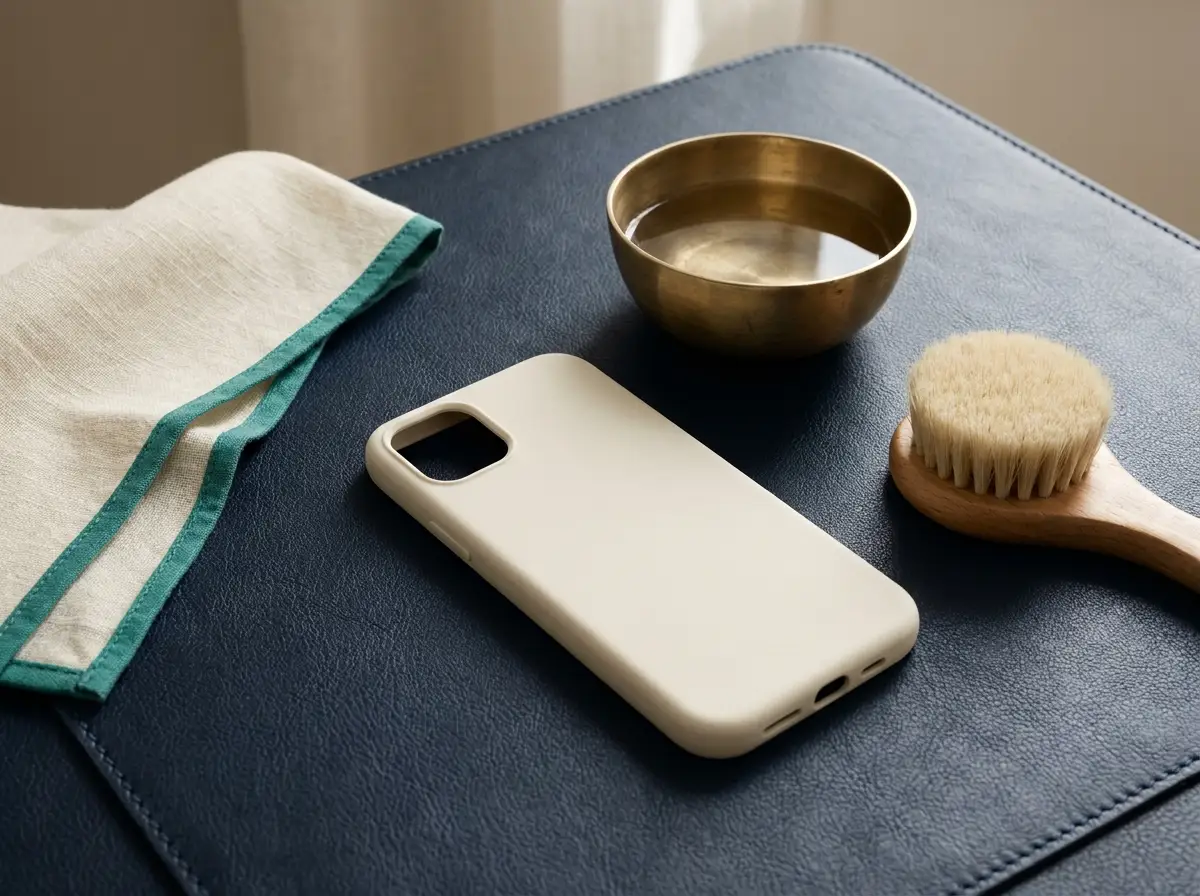
Your phone case is one of the most-handled objects you own, pressed against palms, pockets, saddle bags, and stable surfaces dozens of times a day. Knowing how to clean a clear phone case properly—and understanding why it discolours—will save you money, keep your device looking sharp, and help you choose a case material that actually suits your lifestyle. The short answer: warm water, a drop of dish soap, a soft cloth, and a little patience handle most everyday grime. The longer answer, covering yellowing, staining, silicone, hard plastic, and leather alternatives, is what follows.
Why Clear Phone Cases Get Dirty So Quickly
Clear cases are made from one of three materials: TPU (thermoplastic polyurethane), polycarbonate (PC), or a hybrid of both. TPU is the soft, flexible layer you feel when you press the sides; polycarbonate is the rigid back panel found on many two-piece designs.
Both materials are porous at a microscopic level. Skin oils, sunscreen, cosmetics, and environmental dust settle into those micro-pores with every touch. In an equestrian context—where your hands regularly carry trace amounts of leather conditioner, fly spray, and stable dust—a clear case accumulates grime at a remarkable pace.
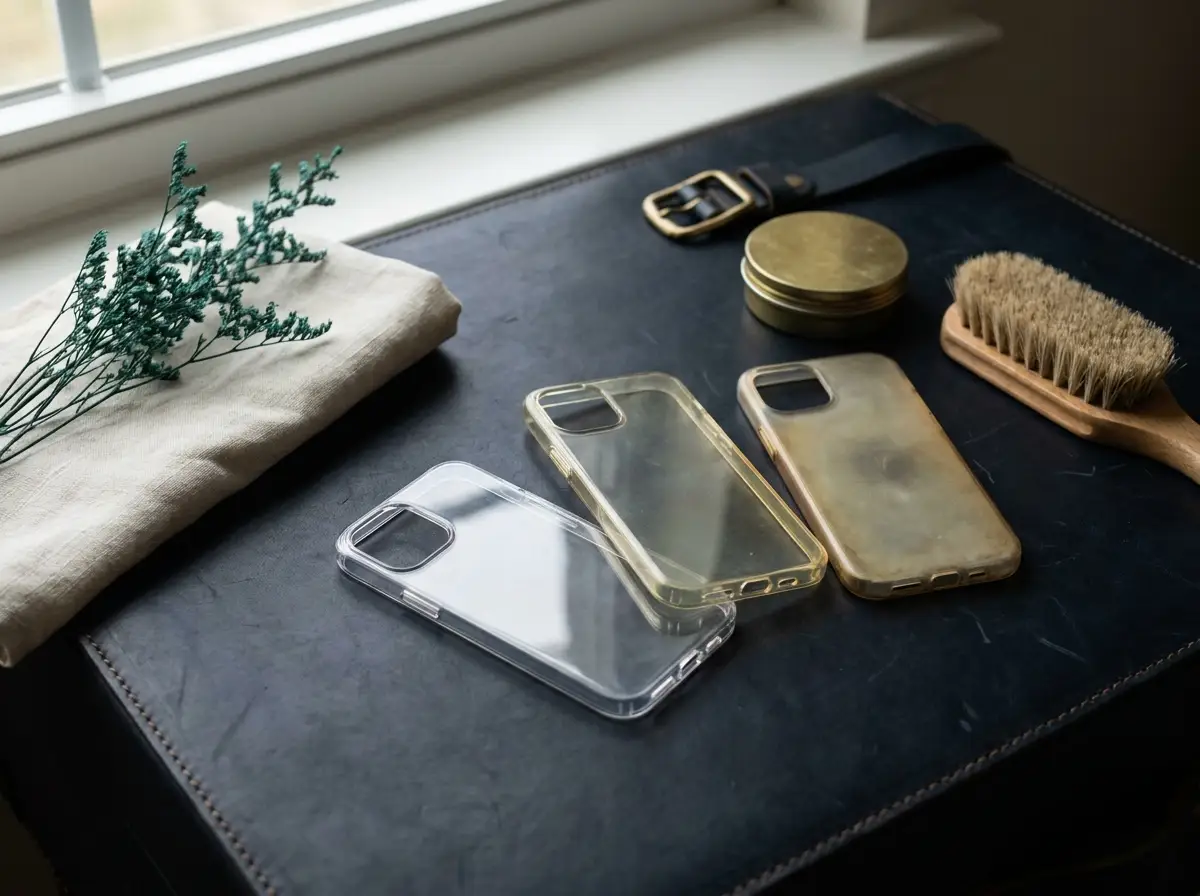
There is also a chemical process at work. TPU and silicone contain polymer chains that degrade when exposed to ultraviolet light and oxygen. This oxidation causes the material to turn from clear to yellow, then brown over time. Heat accelerates the process, which is why a case left on a car dashboard or a sunny window ledge yellows far faster than one kept in a jacket pocket.
If you're drawn to a case that genuinely ages well rather than yellowing, it is worth exploring full-grain leather iPhone cases—material that develops a patina with use rather than a discoloured haze.
How to Clean a Clear Phone Case: The Standard Method
This method works for the vast majority of clear cases, whether TPU, polycarbonate, or a hybrid.
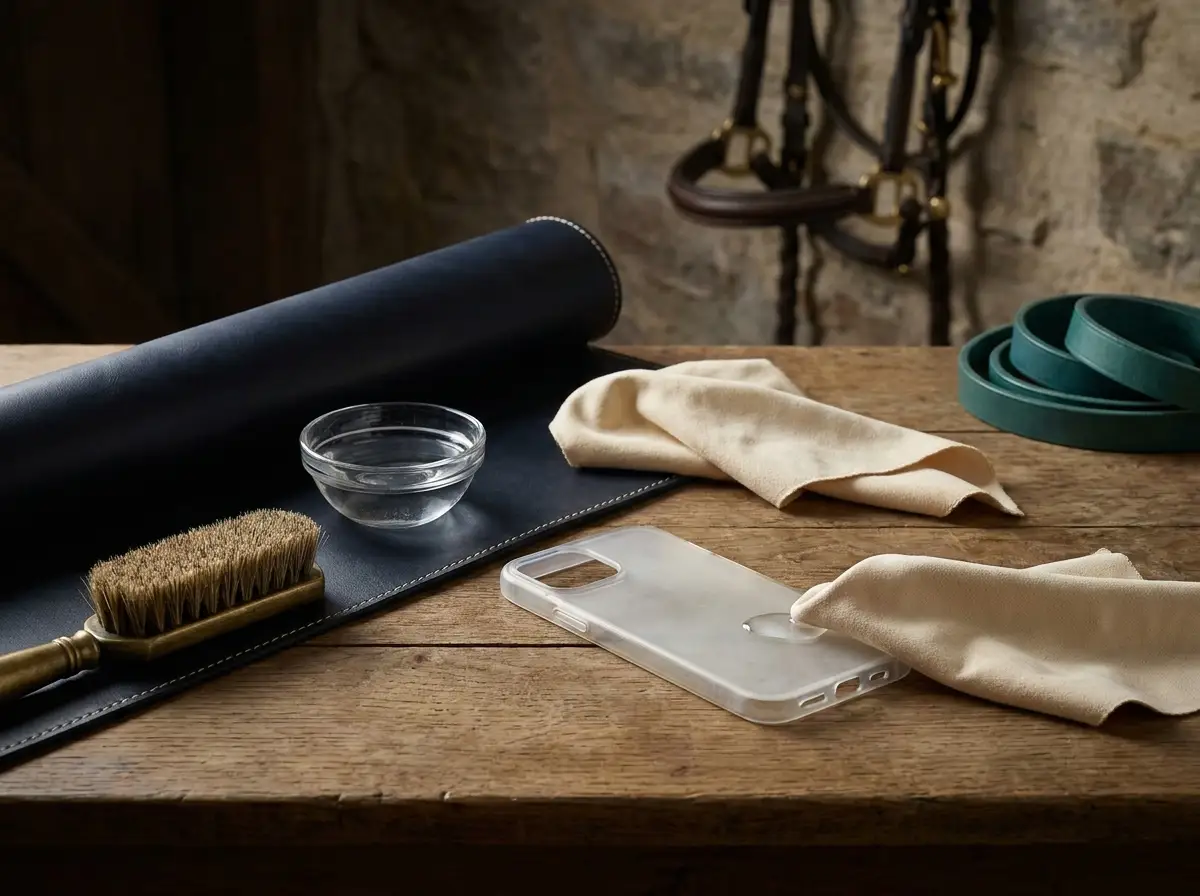
What you need:
- Lukewarm water
- One drop of mild dish soap (avoid antibacterial formulas with added bleach)
- A soft-bristled toothbrush or microfibre cloth
- A dry lint-free towel
Step-by-step:
- Remove the case from your phone. Never clean it while attached—moisture can enter the charging port and camera cutouts.
- Rinse the case under lukewarm running water to dislodge loose debris.
- Apply one small drop of dish soap to the interior and exterior surfaces.
- Scrub gently with a soft toothbrush, paying particular attention to corners, button cutouts, and the camera surround where oils and dust accumulate most.
- Rinse thoroughly until no soap residue remains. Soap left behind attracts more grime.
- Pat dry with a lint-free towel, then leave the case to air-dry completely—at least an hour—before reattaching it to your phone.
This routine removes surface oils, dust, and most light staining. For heavier problems, read on.
How to Clean a Clear Silicone Phone Case
Silicone cases feel softer and more rubberised than TPU, and they attract lint and pet hair with enthusiasm. The cleaning approach is similar to the standard method above, but with a few adjustments.
What's Different About Silicone
Silicone is more susceptible to drying out and micro-cracking with repeated exposure to alcohol-based cleaners. It also tends to hold on to dye transfer—the blue or green stain you get from wearing a new pair of jeans with a light-coloured case in your back pocket.
Cleaning Steps for Silicone
- Use cool rather than lukewarm water; heat softens silicone and can distort the case's shape over time.
- A paste of baking soda and water (roughly 2:1) applied with a soft toothbrush is particularly effective on silicone for lifting embedded grime without harsh chemicals.
- For dye transfer stains, apply a small amount of white toothpaste (non-gel, non-whitening) and scrub gently. Leave it on for two to three minutes before rinsing. This is a well-known trick among phone repair technicians and works because the mild abrasive in toothpaste lifts surface-level dye without scratching.
- Avoid soaking silicone cases for extended periods; prolonged water exposure can cause slight swelling.
How to Clean a Clear Phone Case That Turned Yellow
This is the most searched question on this topic, and the honest answer has two parts.
What You Can Reduce
Mild yellowing—the kind that's been building for a few weeks—responds reasonably well to the following:
- Baking soda paste: Apply a thick paste of baking soda and water, leave it on for 15–20 minutes, then scrub with a soft toothbrush and rinse. The mild alkalinity helps neutralise surface oxidation.
- Diluted hydrogen peroxide (3%): This is the standard pharmacy-grade solution. Submerge the case for 10–15 minutes, then rinse and dry immediately. Some users report a modest improvement in clarity. Do not use concentrations above 3%—they will damage the material.
- Isopropyl alcohol (70%): Applied with a cotton pad, this removes the oily surface layer that contributes to a yellowed appearance. It does not reverse polymer oxidation, but it can make the case look cleaner overall.
What You Cannot Fix
Once UV radiation has broken down the polymer chains within the TPU itself, the discolouration is structural, not superficial. No household product reverses this chemistry. If your case has turned a deep amber or brown, it has reached the end of its useful life. The only solution is replacement.
This is the gap most competing guides skirt around: they imply that hydrogen peroxide or baking soda will restore a brown case to crystal clarity. They will not. Those methods address surface oxidation and oils; they cannot undo molecular degradation.
How to Keep a Clear Phone Case Clean and Slow Yellowing
Prevention genuinely outperforms cure here:
- Keep the case out of direct sunlight whenever possible—particularly off car dashboards and windowsills.
- Clean it every two to four weeks before oils have time to bond with the polymer surface.
- Wash your hands before extended phone use; hand creams and sunscreen are primary contributors to yellowing.
- Store it away from heat sources. A case left near a kettle or radiator ages measurably faster.
- Consider a UV-stabilised polycarbonate case if clarity longevity is your priority. These resist yellowing for longer—typically six to twelve months of regular use—though no clear case stays perfectly transparent indefinitely.
How to Clean a Stained or Brown Clear Phone Case
A brown clear phone case has usually suffered a combination of UV oxidation and heavy dye or tannin transfer. Common culprits include:
- Denim dye from back pockets
- Leather tannins from saddle bags and riding gloves (particularly relevant for equestrian users)
- Food and beverage stains — coffee and tea being the most persistent
For surface stains, try the white toothpaste method described in the silicone section, or a cotton pad dampened with 70% isopropyl alcohol for stubborn marks. For brown discolouration that runs through the material itself, no cleaning method will restore the original clarity.
Cleaning a Clear Hard Plastic (Polycarbonate) Phone Case
Hard clear polycarbonate cases are more scratch-resistant than TPU but can crack under impact. They also yellow, though typically more slowly.
- Isopropyl alcohol (70%) is safe and effective on polycarbonate. It removes oils and disinfects without clouding the surface.
- Avoid acetone or nail varnish remover—these will cloud and craze polycarbonate immediately.
- Avoid abrasive scrubbers; fine scratches trap grime and make the case look dull.
- A screen-safe lens wipe (the kind used for spectacles) is ideal for a quick daily clean of a polycarbonate case without leaving streaks.
Caring for a Full-Grain Leather Phone Case
Leather requires an entirely different approach—and understanding the difference is something a practising leather atelier would emphasise from the outset. Full-grain leather is not sealed in the way synthetic materials are; it breathes, absorbs, and responds to its environment.
What to use:
- A slightly damp microfibre cloth to wipe away surface dust and light marks
- A small amount of leather conditioner (such as a lanolin-based balm) applied every few months to keep the fibres supple
What to avoid:
- Soap, washing-up liquid, or any detergent—these strip the natural oils from the leather and cause it to dry and crack
- Alcohol-based wipes, which desiccate the surface
- Soaking or extended water exposure
- Direct heat for drying
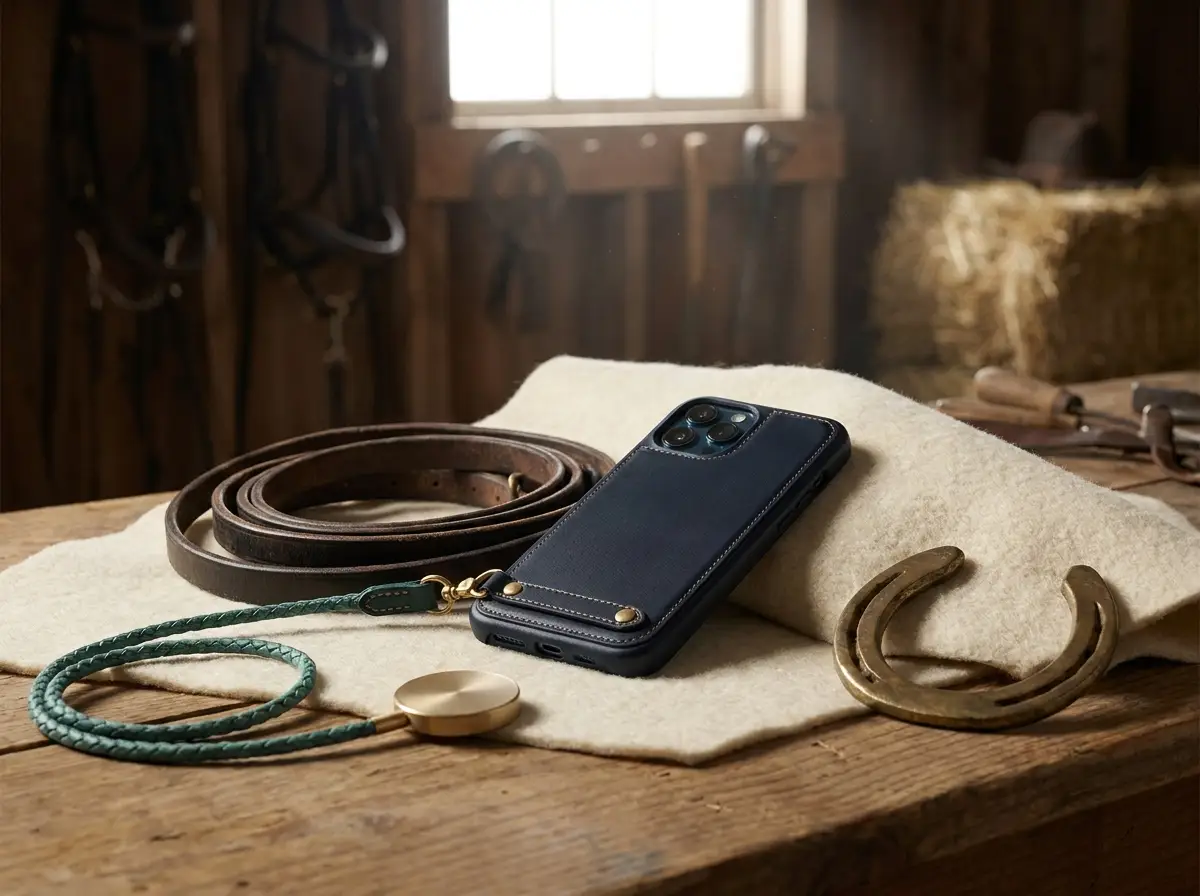
Unlike TPU or silicone, a well-maintained full-grain leather case does not degrade into an eyesore. It develops a patina—a deepening of tone and character unique to how you use it. For equestrians who already understand how to care for tack, leather phone case maintenance is second nature.
If you'd like a case that carries a personal connection to your horse, the custom design service at Velvet & Valor allows you to commission a piece featuring your own artwork or equine portrait—hand-finished in the same atelier tradition applied to fine saddlery.
A Note on MagSafe and Cleaning
If your iPhone case is MagSafe-compatible, the embedded magnet array sits within the case body and is not affected by the cleaning methods described above, provided you avoid soaking the case for extended periods. For a full explanation of how MagSafe works and what to look for in a compatible case, see What Is MagSafe? Everything Explained and What Is a MagSafe Case?. The key practical point: dry your MagSafe case thoroughly before placing it back on a wireless charger.
Choosing a Case You Won't Need to Replace Every Few Months
The cleaning methods in this guide will extend the life of any clear case, but they work against a material that is, by its nature, temporary. TPU and silicone yellow because their chemistry demands it; the only variable is how quickly.
If you find yourself replacing a clear case every six months—frustrated by the browning, the staining, the lint—it may be worth reconsidering the material entirely. Full-grain leather, properly cared for, does not yellow, does not attract lint, and does not become an embarrassment over time. It becomes more itself.
The Velvet & Valor collection is designed for riders who expect their equipment to last and to look better with age—the same standard applied to a well-kept bridle or a favourite pair of yard boots.